What Judges Notice in Science Fair Projects: Reflections from the Judging Table
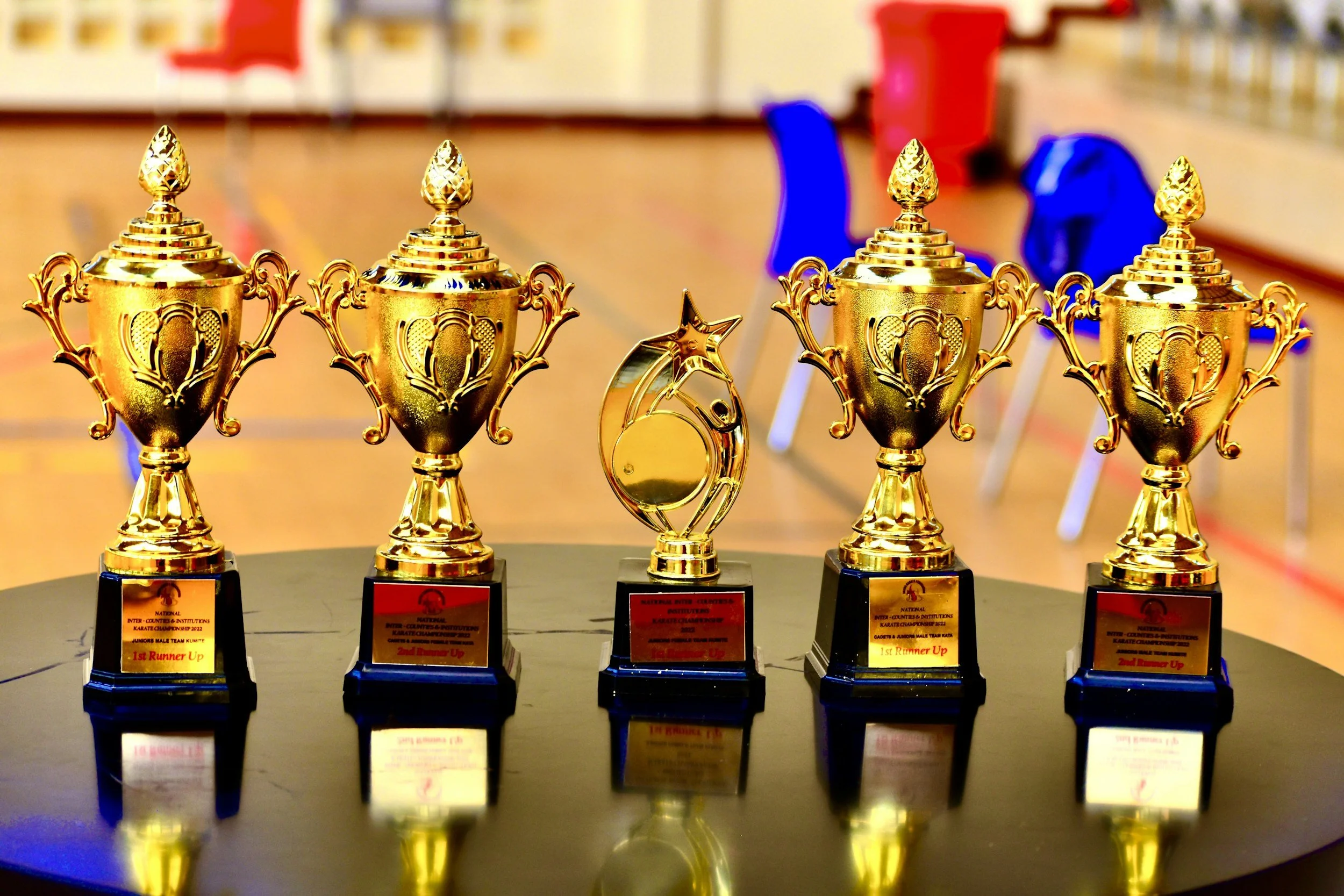
At the 2026 Annual Buckeye Science and Engineering Fair, students competed for prizes and recognition and for advancement to the 2026 International Science and Engineering Fair.
Observations from judging student research projects at the Buckeye Science and Engineering Fair.
This spring I had the opportunity to serve as a judge at the Buckeye Science and Engineering Fair, an ISEF-affiliated competition, where high school students from across the state presented original research projects. For many students, the judging interview is the moment when months of research are condensed into a short scientific conversation. While the competition is rigorous, one of the most encouraging aspects of the event is the supportive atmosphere created by the judges themselves. In addition to evaluating projects, judges offer students constructive feedback intended to help them refine their scientific thinking and presentation skills.
Serving as a judge at the Buckeye Science and Engineering Fair is both a privilege and a responsibility. Judges know that students have invested months of work into their projects, and many of us arrive with a quiet determination to evaluate each project thoughtfully and fairly. I found myself especially mindful of the first student I interviewed, wanting to ensure that the conversation felt welcoming while still exploring the scientific reasoning behind the work. As the interviews progressed, the process quickly settled into a natural rhythm. Judges asked questions, students explained their thinking, and what emerged was a series of genuine conversations about science.
The Purpose of Science Fair Judging
Science fair judging serves two purposes: evaluating the quality of the research and engaging students in scientific discussion. Judges also work carefully to ensure that each student receives a comparable amount of time and attention. Through these interactions, judges assess how well students understand their research question, experimental design, and conclusions. To this end, science fair judges tend to focus on several key elements:
clarity of the research question
quality of the experimental design
ability to explain reasoning
understanding of the data
interpretation of results
Judges are often less interested in how complicated a project appears and more interested in whether the student clearly understands the reasoning behind the work.
A Growing Trend in Science Fair Projects: Computational Research
One noticeable trend at this year’s fair was the increasing number of projects involving computational analysis, machine learning, and large datasets. These projects reflect the growing importance of data science in modern research and offer students opportunities to investigate complex questions using publicly available scientific data.

Fortunately, today’s students no longer need a room sized computer to explore computational science.
This shift likely reflects the strong interest many students have in computer science. It may also reflect the regulatory structure of science competitions, which sometimes requires extensive approvals before certain types of experiments can begin. I am currently preparing a guide that explains these approval timelines and discusses model systems that allow students to conduct elegant laboratory experiments while avoiding regulatory barriers.
What Impresses Judges Most: When the Conversation Reveals the Science
The projects that leave the strongest impression are not always the most technically complex. Rather, they are the projects where students demonstrate clear reasoning, thoughtful experimental design, and genuine enthusiasm for the scientific question they are investigating.
Why Data Presentation Matters in Science Fair Projects
One area where many students can improve is explaining how raw data were transformed into the figures displayed on their posters. Judges often ask students to describe the steps involved in converting measurements into graphs or statistical summaries. Students who can clearly explain this process demonstrate a deeper understanding of their work.
In other cases, a project may contain substantial data and a promising research question but lack one or more critical controls. Controls are essential in experimental science because they allow researchers to determine whether an observed effect truly results from the variable being evaluated. Without them, even carefully collected data can be difficult to interpret. Strong experimental controls allow judges—and scientists—to determine whether the observed results truly reflect the hypothesis being tested.

Many successful science fair projects reflect months of mentorship, as teachers help students refine research questions, experimental design, and data interpretation.
During one of my judging sessions at the Buckeye Science and Engineering Fair, I spoke with a small team of students presenting a computational biology project. Their work involved analyzing large datasets using modeling approaches that initially appeared quite complex. What made the interaction memorable, however, was not the sophistication of the topic alone, but the students’ ability to explain their reasoning. They clearly described how they converted raw data into the figures displayed on their poster and why they chose the particular analytical methods they used. Their enthusiasm for the research question was evident, and their explanation made the underlying science remarkably accessible. Encounters like this illustrate how effective communication and a deep understanding of one’s own work often leave the most lasting impression on judges.
Not every judging conversation is as smooth as the one described above, and those moments can be instructive as well. Occasionally students present posters with impressive graphs or large datasets but struggle to explain how the data were generated or how the figures were constructed from the raw measurements. When judges ask about these steps, the goal is not to challenge the student but to understand the reasoning behind the analysis. These conversations are part of the educational value of science fairs. Judges aim not only to evaluate projects but also to help students recognize how experimental design, data transparency, and clear explanation strengthen scientific work.
Reflections from the Judging Table
My experience judging at the Buckeye Science and Engineering Fair reminded me that the most successful projects are not simply those that generate large amounts of data, but those in which students clearly understand how their experiments were designed and how their conclusions follow from the evidence.
Events like BSEF highlight an important aspect of scientific education: research is not only about generating results but also about explaining how those results were obtained and what they mean. Through conversations with judges, students have the opportunity to clarify their reasoning, reflect on their experimental design, and consider how their work might be strengthened in future investigations.
In many ways, a strong science fair project reflects a collaborative effort between a curious student and a teacher who encourages careful scientific thinking. Many successful projects reflect months of mentorship in which teachers help students refine research questions, think carefully about experimental design, and explain their reasoning clearly. The judging process often builds on this foundation, allowing students to demonstrate not only the results of their work but also the scientific thinking that developed along the way.
For students and families interested in science competitions, the process can seem complex at first. Yet with careful planning, thoughtful project design, and a clear understanding of how research is evaluated, these events become valuable opportunities for learning and growth. Having now participated in the process from the judging side of the table, I look forward to sharing additional observations that may help students prepare for future competitions.

How to Succeed at a Science Fair: Choose a Strong Topic and Hypothesis.
Another key to a winning science fair project is to choose an appropriate topic and to construct a strong hypothesis.

“Let your project reflect your curiosity—and keep your hypothesis testable and concise.”
Choosing a Strong Topic
When deciding on the topic that you want to study and then present at a competition, the first consideration is that the project should be personally interesting to you and that the project should encourage curiosity for both you and the audience. Other things to consider,
Is the project safe and ethical?
Is the project appropriate for your age? Will the judges believe that you conceived the project, designed and executed the experiments?
Is the hypothesis testable?
Is your project simple or too multifaceted?
Are the materials affordable and easily obtainable?
Can your project be completed in a timely fashion?

Below is a table that summarizes when science fair competitions typically occur during the school year; this will help guide you in choosing your project.
Free Resource: You may download a PDF of this Timeline here.
Science Fair Timelines (Grades 5-12):Progression of Science Fairs from School Level to National Competitions
| Competition Level | Application/Submission Period | Competition Date |
|---|---|---|
| School Level | January-February | January-February |
| District/Regional | December-February | February-Early March |
| State | December-February | Early March |
| National (ISEF) | Via State Qualifiers | May 10-16, 2025 (Phoenix, AZ) |
| Broadcom (ISEF) | Nomination Via Regionals | May 10-16, 2025 (Phoenix, AZ) |
Building a Strong Hypothesis
Now that you have made an observation and asked a question about the phenomenon that you will be analyzing in the next few weeks or months, you will need to come up with a strong hypothesis. Remember, a hypothesis is an idea that can be tested, so your idea should be testable. Keep your hypothesis simple; if you add too many variables to your hypothesis, it may become more difficult to design your experiments and interpret the results of these experiments. If you remember the “Our car will not start” scenario from the previous blog, we proposed only one hypothesis. The results of the experiments may or may not support your original hypothesis and prediction(s); and that is the time to devise a new hypothesis if you have time to conduct additional experiments before the competition. If you are short on time, the Discussion (or Draw Conclusions) section is the time to introduce alternative approaches.
When you construct a hypothesis, you should be able to make a prediction of what you expect the results (data) to be based on your experiments. You should avoid using vague predictions; I suggest that you use the “If…, Then…” structure, as we used in the car scenario in the last blog. A hypothesis is evaluated by a set of fair experiments; the purpose of these experiments is not to PROVE that one’s prediction is correct.
Final Thoughts
As you choose your topic and design your project, remember that SCIENCE is about enjoying the process of discovery, this is accomplished by choosing a subject that you like and find interesting and by adhering to proper scientific method.
If you or your student needs help getting started, choosing a topic, or preparing to present, I offer one-on-one science fair coaching for students in grades 5-12. Click here to schedule a free consultation.
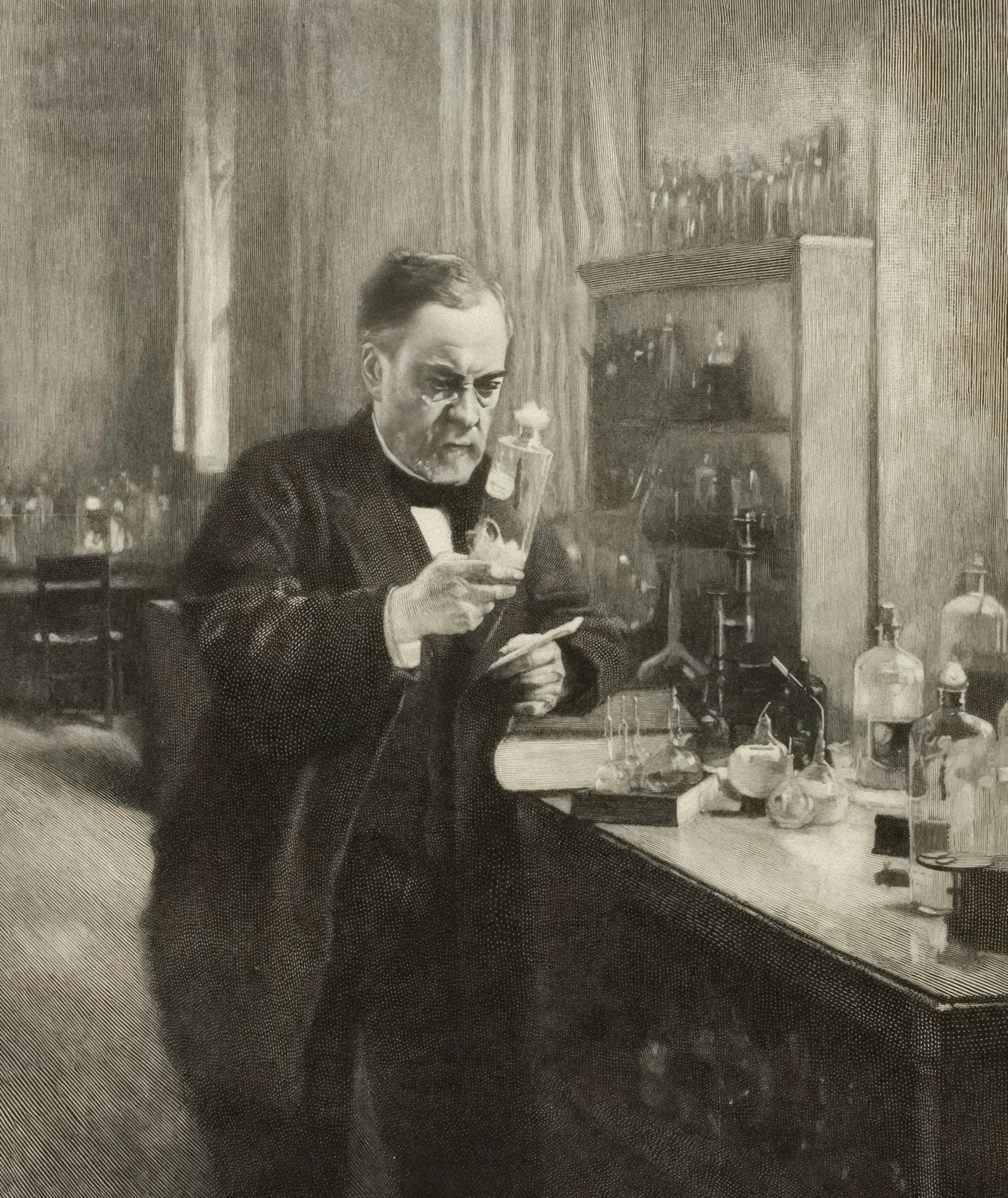
How to Succeed at a Science Fair: Use Scientific Method
Learn how to use scientific method to design a science fair project that stands out.
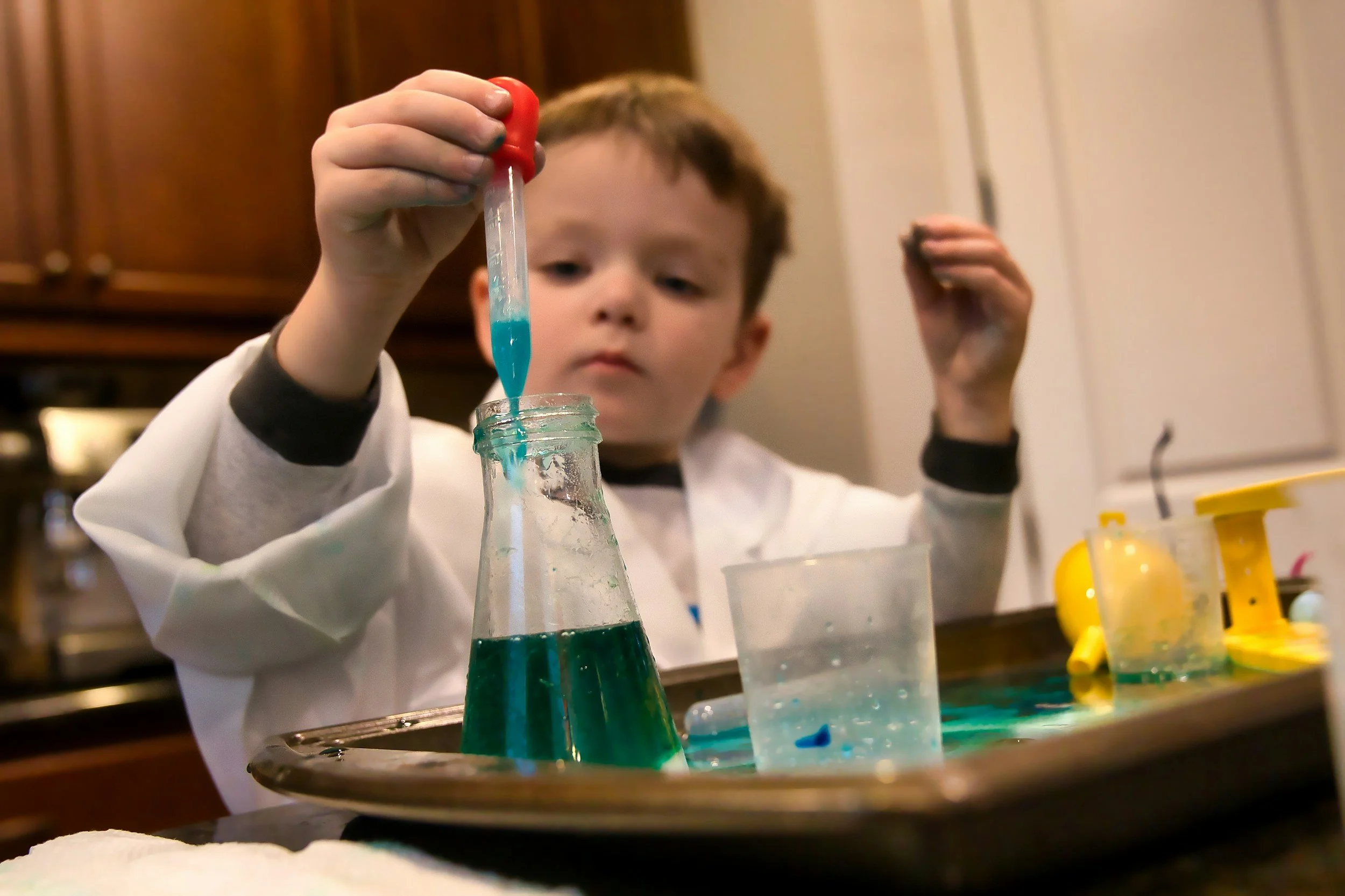
A child could do it!!
If you are planning to compete in a science fair, this blog on scientific method is for you. Judges appreciate it when a science fair presentation is age appropriate, simple, elegant, and clearly communicated by the participant. To this end, the participants should choose a topic that has real-world relevance with a testable question and must demonstrate that they fully understand their project. The most important key to conducting meaningful experiments and clearly presenting the findings is to follow the principles of Scientific Method, and to not deviate from these principles.

“A hypothesis is an idea that can be tested.”
What is Scientific Method?
Scientific Method can be divided into seven simple and discreet steps.
Make an OBSERVATION.
Ask a QUESTION.
Form a HYPOTHESIS.
Make a PREDICTION.
Devise a set of EXPERIMENTS to evaluate the hypothesis.
Observe the RESULTS of the experiment(s).
Draw CONCLUSIONS.
What is a Hypothesis?
A hypothesis is not an educated guess. The best definition that I have heard for a hypothesis came from the children’s program, “Dinosaur Train” and is, “an idea that can be tested.” Of course, this idea does require that the person who is formulating the hypothesis consider all scenarios that may have led to their original observation.
Scientific Method in Everyday Life
Scientific method need not only conducted in a science classroom or in a laboratory setting, Scientific method can and should be used to solve everyday problems. Below is an example where one is using scientific method to solve a problem that is common to many people who drive a car. Can you think of a real-life scenario where you could use scientific method to try to solve a problem?

To learn more about applying Scientific Method to design, conduct and present an award winning Science Fair project, contact me!!! I have judged at quite a few competitions and have mentored even more students. A brief consultation is free.
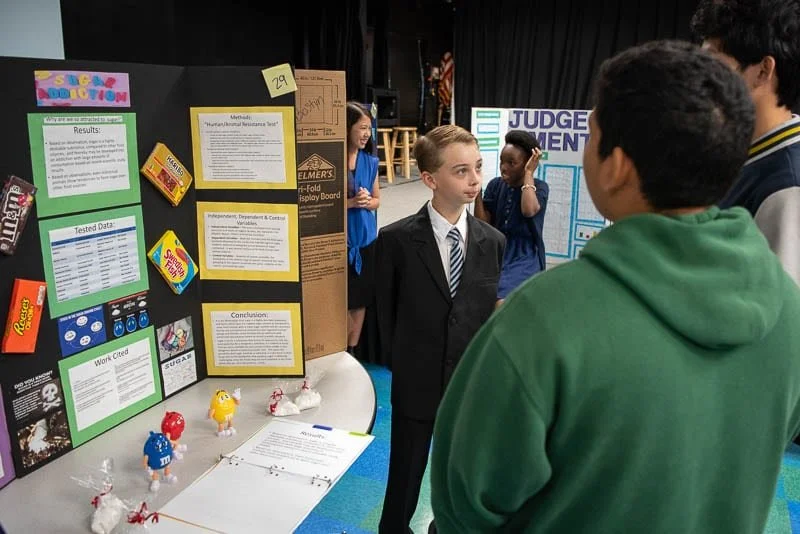
How to succeed at a Science Fair: A Practical Guide for Students Grades 5-12, and their Parents
“An elegant, award winning project does not require a lab—just curiosity and discipline.”
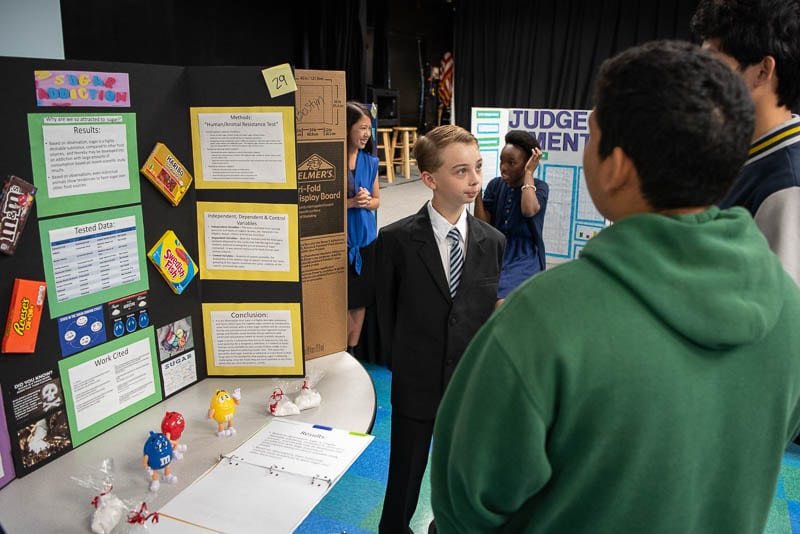
“An elegant, award winning project doesn’t require a lab—just curiosity and discipline.”
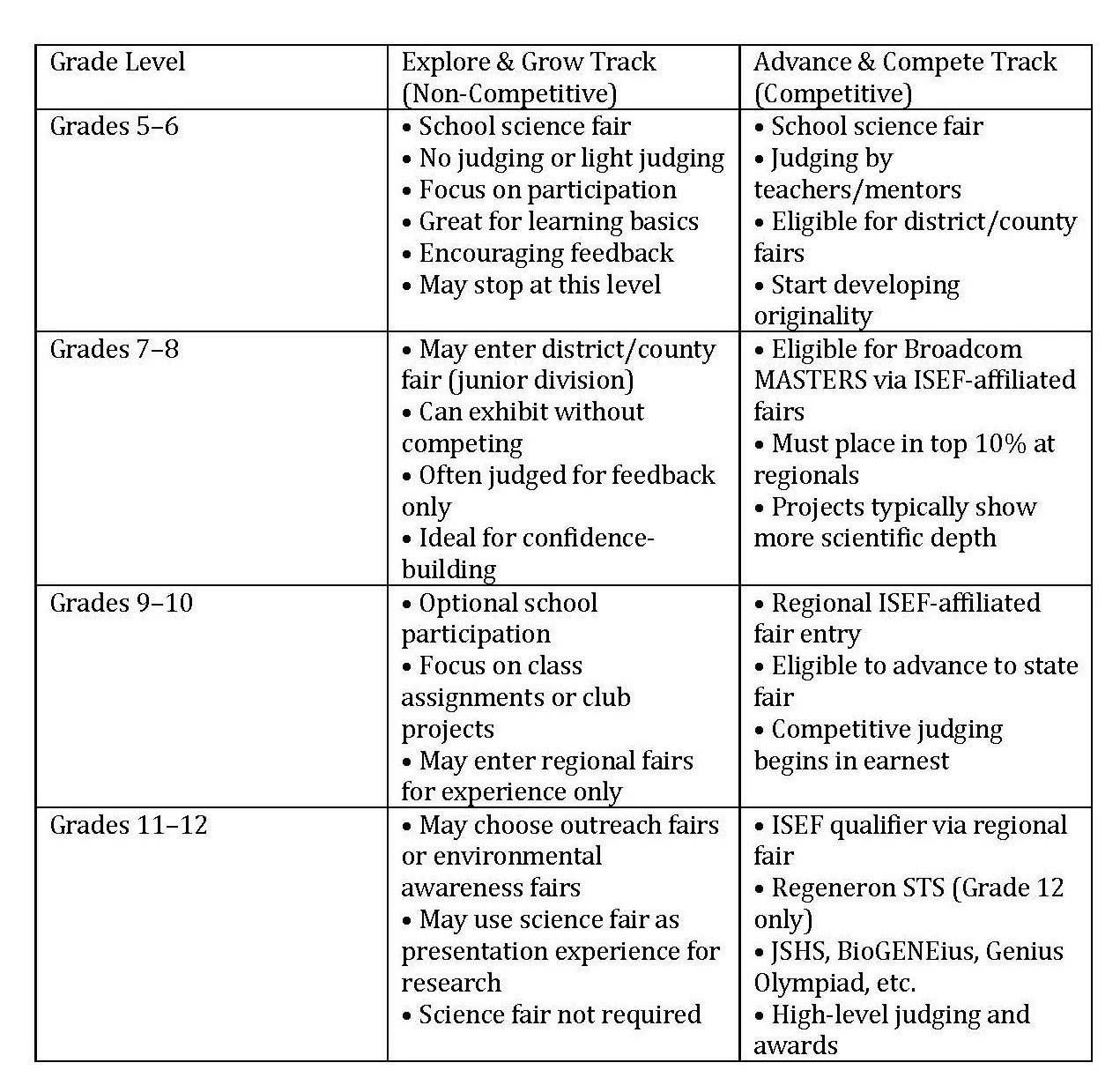
Science Fairs are important platforms where a student can have a positive experience with STEM (Science, Technology, Engineering, Math) while working on a project that they enjoy and find interesting. During this endeavor, students learn to use Scientific Method and to organize and communicate ideas as they gain confidence in scientific writing and public speaking. All these experiences prove to be invaluable for individuals who wish to matriculate into and to perform well in selective colleges and universities. There is a plethora of science fair opportunities for STEM oriented students ranging from grades 5-12. These range from the non-competitive “explore and grow” STEM venues to the highly rigorous “compete and advance” venues. Students who start in the non-competitive venues often find that they enjoy STEM research and decide to switch from the less competitive path to the more competitive path as their interest in the STEM subject or process grows after their initial experiences.
Competitive vs Non-competitive Science Fair Venues
In the low-stakes science fair competitions, students can design and conduct experiments in their classroom or at home, the judging style is educational and encouraging, and the students need not advance to a higher level unless they wish to. Finally, the students who participate in fairs at this level enjoy a much shorter commitment than that required in the high-stakes competitions.
Some students choose to conduct their study in an R01 or R15 level university research lab when competing in the high-stakes science fair competitions. This is not necessary. Many elegant, award-winning projects can be and have been conducted in a home or school setting. However, the project will be more rigorous than that of a low-stakes science fair project and the judges will have extremely high expectations of the student participant. The judges appreciate projects that are original and novel in conception and execution. An award-winning project should have “real world” relevance. The presenters demonstrate both depth and breadth of understanding of the project, adherence to excellent experimental design with the appropriate controls and variables, and a long-term commitment to the project. Students who wish to excel in prestigious science fairs like ISEF (International Science and Engineering Fair) benefit from starting their research early.
Science Fair Pathways for Students Grades 5-12
Regardless of your age or whether you choose the “grow and explore” or the “compete and advance” path, there is a hierarchy to the process. Entry level participation typically starts at the school level; for students in grades 5 through 8, participation is often required. For the noncompetitive track, schools may give out simple awards or participation ribbons; students who perform well at this level may be selected to represent the school in a district or city-wide fair. At this level, the judging style is friendly and educational but is more structured as the judges use a rubric to objectively rank the participants. Students who do well at this level may be invited to participate in a Regional Science Fair, at this level the fair is typically ISEF affiliated for those who wish to transfer to a more competitive track; however, these fairs generally offer “non-competitive, exhibit only” categories for those who prefer a low to moderate pressure experience. From this point on, students have decided to commit to a high-stakes STEM experience. Students who place 1st or 2nd at the regional level fair, that is ISEF-affiliated, are eligible to compete in a State level ISEF affiliated fair or in National/International competitions; these high-ranking fairs include the Broadcom Masters for students in grades 6 through 8 and the Regeneron-ISEF or Regeneron-STS (Science Talent Search) for high school students.
A Synopsis of Science Fair Pathways for Students Grades 5–12
There are two primary pathways for students participating in science fairs: one focused on exploration and growth, and another designed for students who want to advance through competitive levels. Both are valid, rewarding experiences. Here's a comparison to help families and educators understand the options.
The Perks of Participating in Science Fairs
Students who participate in science fairs at any level get to enjoy bragging rights that can be incorporated into a resume for jobs, internships, and college applications.
The prizes for placing high in competitions such as Broadcom Masters, Regeneron-ISEF, and Regeneron-STS are considerable. In addition to substantial cash awards ranging from $5000 to $250,000 dollars, students can expect scholarships, national press coverage, computers, or paid trips to national or international science symposia. With all of the exposure, renowned science faculty may be contacting YOU to join their research team.
Want Help with Your Science Fair Project?
As a PhD-level biology educator with nearly two decades of experience mentoring students I’ve seen firsthand how powerful this process can be. Whether a student is hesitant or highly motivated, there’s a path that can support their growth, build their confidence, and spark their curiosity.
If your student needs help getting started, choosing a topic, or preparing to present, I offer one-on-one science fair coaching for students in grades 5–12. Click here to schedule a free consultation.