What Judges Notice in Science Fair Projects: Reflections from the Judging Table
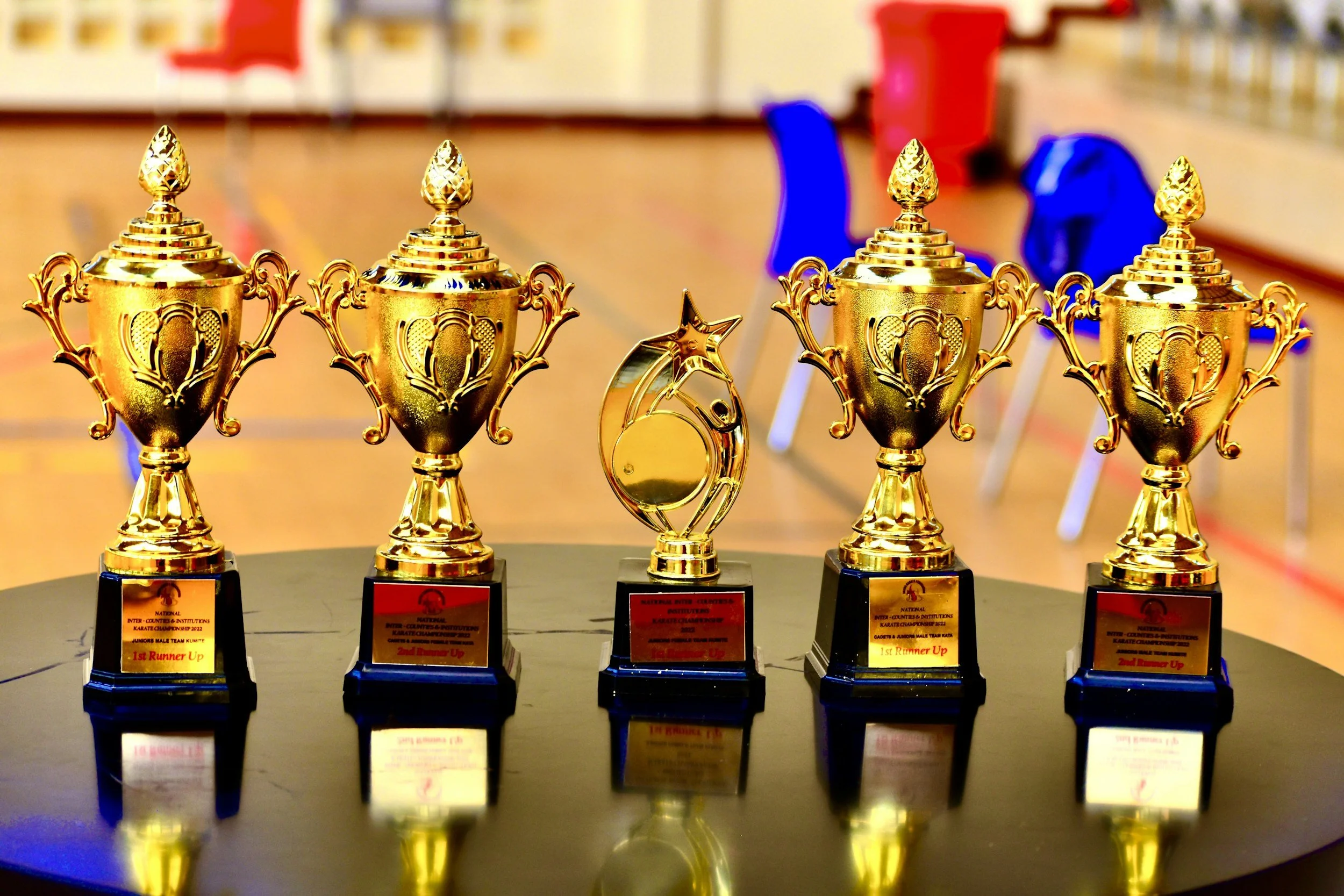
At the 2026 Annual Buckeye Science and Engineering Fair, students competed for prizes and recognition and for advancement to the 2026 International Science and Engineering Fair.
Observations from judging student research projects at the Buckeye Science and Engineering Fair.
This spring I had the opportunity to serve as a judge at the Buckeye Science and Engineering Fair, an ISEF-affiliated competition, where high school students from across the state presented original research projects. For many students, the judging interview is the moment when months of research are condensed into a short scientific conversation. While the competition is rigorous, one of the most encouraging aspects of the event is the supportive atmosphere created by the judges themselves. In addition to evaluating projects, judges offer students constructive feedback intended to help them refine their scientific thinking and presentation skills.
Serving as a judge at the Buckeye Science and Engineering Fair is both a privilege and a responsibility. Judges know that students have invested months of work into their projects, and many of us arrive with a quiet determination to evaluate each project thoughtfully and fairly. I found myself especially mindful of the first student I interviewed, wanting to ensure that the conversation felt welcoming while still exploring the scientific reasoning behind the work. As the interviews progressed, the process quickly settled into a natural rhythm. Judges asked questions, students explained their thinking, and what emerged was a series of genuine conversations about science.
The Purpose of Science Fair Judging
Science fair judging serves two purposes: evaluating the quality of the research and engaging students in scientific discussion. Judges also work carefully to ensure that each student receives a comparable amount of time and attention. Through these interactions, judges assess how well students understand their research question, experimental design, and conclusions. To this end, science fair judges tend to focus on several key elements:
clarity of the research question
quality of the experimental design
ability to explain reasoning
understanding of the data
interpretation of results
Judges are often less interested in how complicated a project appears and more interested in whether the student clearly understands the reasoning behind the work.
A Growing Trend in Science Fair Projects: Computational Research
One noticeable trend at this year’s fair was the increasing number of projects involving computational analysis, machine learning, and large datasets. These projects reflect the growing importance of data science in modern research and offer students opportunities to investigate complex questions using publicly available scientific data.

Fortunately, today’s students no longer need a room sized computer to explore computational science.
This shift likely reflects the strong interest many students have in computer science. It may also reflect the regulatory structure of science competitions, which sometimes requires extensive approvals before certain types of experiments can begin. I am currently preparing a guide that explains these approval timelines and discusses model systems that allow students to conduct elegant laboratory experiments while avoiding regulatory barriers.
What Impresses Judges Most: When the Conversation Reveals the Science
The projects that leave the strongest impression are not always the most technically complex. Rather, they are the projects where students demonstrate clear reasoning, thoughtful experimental design, and genuine enthusiasm for the scientific question they are investigating.
Why Data Presentation Matters in Science Fair Projects
One area where many students can improve is explaining how raw data were transformed into the figures displayed on their posters. Judges often ask students to describe the steps involved in converting measurements into graphs or statistical summaries. Students who can clearly explain this process demonstrate a deeper understanding of their work.
In other cases, a project may contain substantial data and a promising research question but lack one or more critical controls. Controls are essential in experimental science because they allow researchers to determine whether an observed effect truly results from the variable being evaluated. Without them, even carefully collected data can be difficult to interpret. Strong experimental controls allow judges—and scientists—to determine whether the observed results truly reflect the hypothesis being tested.

Many successful science fair projects reflect months of mentorship, as teachers help students refine research questions, experimental design, and data interpretation.
During one of my judging sessions at the Buckeye Science and Engineering Fair, I spoke with a small team of students presenting a computational biology project. Their work involved analyzing large datasets using modeling approaches that initially appeared quite complex. What made the interaction memorable, however, was not the sophistication of the topic alone, but the students’ ability to explain their reasoning. They clearly described how they converted raw data into the figures displayed on their poster and why they chose the particular analytical methods they used. Their enthusiasm for the research question was evident, and their explanation made the underlying science remarkably accessible. Encounters like this illustrate how effective communication and a deep understanding of one’s own work often leave the most lasting impression on judges.
Not every judging conversation is as smooth as the one described above, and those moments can be instructive as well. Occasionally students present posters with impressive graphs or large datasets but struggle to explain how the data were generated or how the figures were constructed from the raw measurements. When judges ask about these steps, the goal is not to challenge the student but to understand the reasoning behind the analysis. These conversations are part of the educational value of science fairs. Judges aim not only to evaluate projects but also to help students recognize how experimental design, data transparency, and clear explanation strengthen scientific work.
Reflections from the Judging Table
My experience judging at the Buckeye Science and Engineering Fair reminded me that the most successful projects are not simply those that generate large amounts of data, but those in which students clearly understand how their experiments were designed and how their conclusions follow from the evidence.
Events like BSEF highlight an important aspect of scientific education: research is not only about generating results but also about explaining how those results were obtained and what they mean. Through conversations with judges, students have the opportunity to clarify their reasoning, reflect on their experimental design, and consider how their work might be strengthened in future investigations.
In many ways, a strong science fair project reflects a collaborative effort between a curious student and a teacher who encourages careful scientific thinking. Many successful projects reflect months of mentorship in which teachers help students refine research questions, think carefully about experimental design, and explain their reasoning clearly. The judging process often builds on this foundation, allowing students to demonstrate not only the results of their work but also the scientific thinking that developed along the way.
For students and families interested in science competitions, the process can seem complex at first. Yet with careful planning, thoughtful project design, and a clear understanding of how research is evaluated, these events become valuable opportunities for learning and growth. Having now participated in the process from the judging side of the table, I look forward to sharing additional observations that may help students prepare for future competitions.

Planning for 2027: Understanding Ohio’s Parallel Science Competition Structure
Students preparing research projects at regional science competitions

Students preparing research projects at regional science competitions
In March 2026, statewide science competitions will convene across Ohio, bringing students together to present original research projects. These events are already underway; however, families planning to participate in 2027 may benefit from understanding how Ohio’s science competition system is structured. Each spring, the Ohio Academy of Science (OAS) oversees a network of science competitions conducted at host institutions across Ohio that offer distinct eligibility pathways for students. The Buckeye Science and Engineering Fair (BSEF) is open to high school students while the Regional and State Science Days serve students in grades 5 through 12.
Guidance and preparation support meaningful science competition experiences
Science competition structures vary by state, Ohio offers two parallel pathways overseen by the Ohio Academy of Science that allows students to pursue different competition goals. While both pathways emphasize strong scientific reasoning and communication, they differ in judging models and in advancement mechanisms. The Regional Science Day competitions advance projects that meet established standards, while BSEF advances a limited number of projects that are selected within discrete categories. The parallel advancement pathways within Ohio’s science competitions are described below.
Families new to competitions may also find helpful background in my earlier guide series, How to Succeed at a Science Fair, which discusses project design and judging expectations in greater detail.

Students may pursue multiple pathways within Ohio’s science competition system
Ohio’s Parallel Science Competition Pathways
Path A: Regional Science Day to State Science Day
Beyond advancement from the regional to state level, Regional Science Days function as statewide scholarly forums in which students present research, receive expert evaluation from members of the academic community, and earn formal recognition for their work. Participation is geographically structured and broadly inclusive, with students in grades 5 through 12 submitting projects through an open statewide system. While the environment is supportive, projects are evaluated using standardized rubrics, and student ratings determine eligibility for advancement to State Science Day, where participants may compete for more than $400,000 in sponsored scholarships and awards.
Path B: Buckeye Science and Engineering Fair (BSEF) to Regeneron International Science and Engineering Fair (Regeneron-ISEF)
While Regional Science Days emphasize scholarly evaluation and recognition, BSEF serves as a selection-based gateway to international competition. Each year, more than one hundred self-selected high school students participate in the fair, which is conducted in two rounds of evaluation. During the initial round, projects are scored using rubric-based judging by multiple reviewers, with approximately twelve students advancing to a finalist round. In this second round, students deliver seven-minute presentations before panels of specialized judges and are evaluated comparatively within categories. Final awards and advancement slots are then determined, including selection of six Regeneron-ISEF qualifiers. The Buckeye Science and Engineering Fair director then completes registration for the selected students.
Understanding these pathways is only part of the planning process. Students and families must also be aware of the annual timeline that governs account creation, project submission, and competition dates across Ohio’s science competitions.
Timeline for Ohio’s Science Competitions

Early planning supports successful participation
Near the end of the year preceding each competition cycle, students create or reactivate accounts and submit projects through ProjectBoard. Many students complete this process through classroom teachers or extracurricular science facilitators; however, independent students may contact The Ohio Academy of Science to be matched with a facilitator. For students considering participation in Regional and State Science Days or the Buckeye Science & Engineering Fair in 2027, the current annual cycle provides a useful reference point for planning, as submission windows and event dates tend to follow a similar pattern each year.
Regional and State Science Days 2026 Timeline
Account Creation or Reactivation Window: Aug 18, 2025 – Feb 4, 2026
Regional Science Day Project Submission Window: Dec 8, 2025 – Mar 3, 2026
Regional Science Day: Mar 14, 21, or 28, 2026
State Science Day Submission Window: Mar 17, 2026 – Apr 7, 2026
State Science Day: May 16, 2026
Buckeye Science and Engineering Fair 2026 Timeline
Account Creation or Reactivation Window: Aug 18, 2025 – Feb 4, 2026
BSEF Project Submission Window: Dec 8, 2025 – Feb 4, 2026
Buckeye Science and Engineering Fair: Mar 7, 2026
Regeneron-ISEF (Phoenix, AZ): May 9-15, 2026
Observing Ohio Science Competitions
While attending a competition can be valuable, families should note that State Science Day and the Buckeye Science & Engineering Fair are not open to general visitors due to space limitations. Some Regional Science Day venues may allow non-participants to view projects on site; families interested in observing should consult their host institution’s event page or contact the venue coordinator directly for visitor guidance. A list of Regional Science Day locations can be found through the Ohio Academy of Science’s Regional Science Day information page.
For those unable to attend in person, reviewing abstracts and project summaries through publicly available ProjectBoard listings can provide helpful insight into topic selection, research scope, and presentation approaches demonstrated in previous competitions.
Planning for 2027 Participation
I plan to serve as a judge at three of the Ohio venues this season and will share reflections on event logistics, judging patterns, and project presentation after the spring competitions conclude.
Ohio’s science competition structure rewards early planning, thoughtful project design, and careful documentation. I work with families seeking clarity before they begin; if you would like a structured overview tailored to your students’ goals, you are welcome to contact me through Microbe Mentor.